7 Signs Your Business Has Outgrown Manual Fuel Tracking
For many businesses, fuel tracking starts simple. A spreadsheet, paper log, or collection of receipts can work well when managing a small number of trucks, vehicles, or equipment.
But as your operation grows, so does the amount of fuel data you need to manage.
More vehicles, drivers, equipment, and transactions can quickly turn a simple process into an administrative burden. Here are seven signs your business might be ready to move beyond manual fuel tracking.

1. You’re Spending Too Much Time on Fuel Administration
Manual fuel tracking means collecting, entering, and checking information. As the number of fuel transactions increases, so does the workload.
A fuel management system can automate much of this process, reducing manual data entry and freeing up valuable employee time.
2. Your Fuel Records Don’t Always Add Up
Missing entries, incorrect quantities, and human error can make it difficult to understand exactly where your fuel is going.
Accurate digital records make it easier to identify discrepancies and investigate unusual fuel activity before small issues become costly problems.
3. You Don’t Know Exactly Who Is Using Your Fuel
As more drivers and employees access your on-site fuel supply, accountability becomes increasingly important.
Modern fuel management systems can identify authorized drivers, vehicles, or users, creating a clear record of who accessed fuel and when.
4. Creating Fuel Reports Has Become a Chore
If producing a fuel report means searching through spreadsheets, paperwork, and receipts, your current process may no longer be keeping pace.
Centralized fuel data makes it easier to review transactions, compare fuel usage, and identify trends without spending hours creating reports manually.
5. Your Fleet or Operation Has Grown
The process that worked for five trucks won’t necessarily work for 50.
More vehicles, equipment, drivers, and fuel transactions create more information to manage. A scalable fleet fuel management system allows your operation to grow without your administrative workload growing with it.
6. It’s Difficult to Spot Unusual Fuel Activity
Would you notice if a truck suddenly started using significantly more fuel than usual?
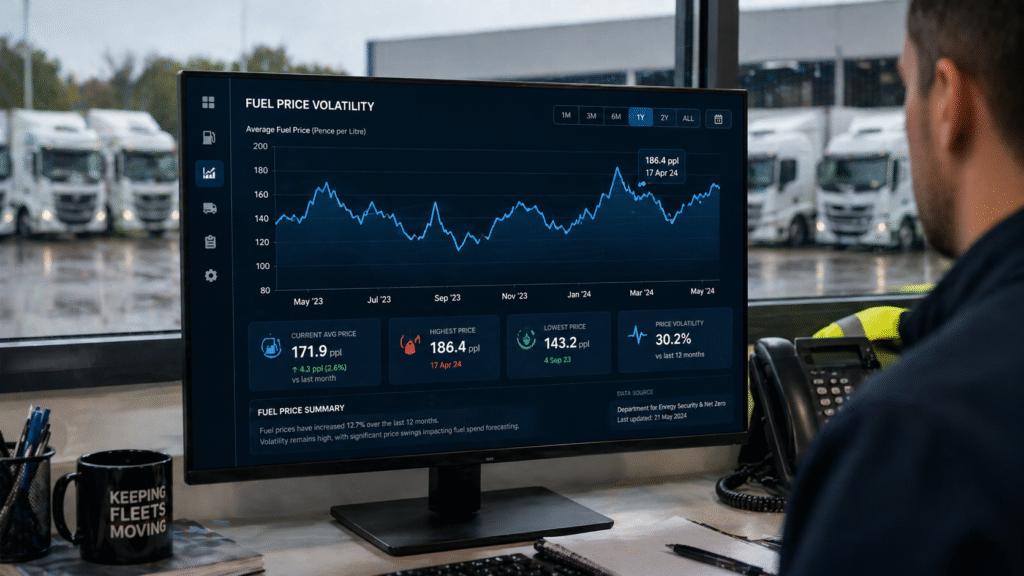
When information is spread across spreadsheets and paper records, unusual patterns can be easy to miss. Centralizing your fuel data provides greater visibility and makes suspicious or unexpected activity easier to investigate.
7. You’re Making Decisions Without Reliable Fuel Data
Do you know how many gallons individual vehicles are using? Which equipment consumes the most fuel? Where discrepancies are occurring?
If answering these questions requires hours of investigation, manual tracking could be holding your business back.

Ready to Move Beyond Manual Fuel Tracking?
Manual fuel tracking can work for smaller operations, but it becomes increasingly difficult to manage as a business grows.
Modern fuel management technology helps businesses control access, capture transaction data, and gain greater visibility into fuel usage across their operation.
Whether you’re managing a small fleet, construction equipment, or a large commercial operation, moving away from spreadsheets and paper records can give you greater control over every gallon.
Ready to take control of your fuel? Discover how modern fuel management can help your business move beyond manual tracking.