How to Reduce Fleet Fuel Costs in a Volatile Market
Fuel price volatility is nothing new—but recent geopolitical tensions, particularly involving Iran, have created significant uncertainty across global energy markets. For U.S. businesses operating vehicle fleets, this is driving higher diesel and gasoline prices, tighter margins, and increased operational pressure.
In this environment, investing in fuel management systems in the USA is no longer optional. Businesses that implement modern fleet fuel management systems gain the visibility and control needed to reduce costs, improve efficiency, and stay competitive.
Why Rising Fuel Prices Are Impacting U.S. Fleet Operations
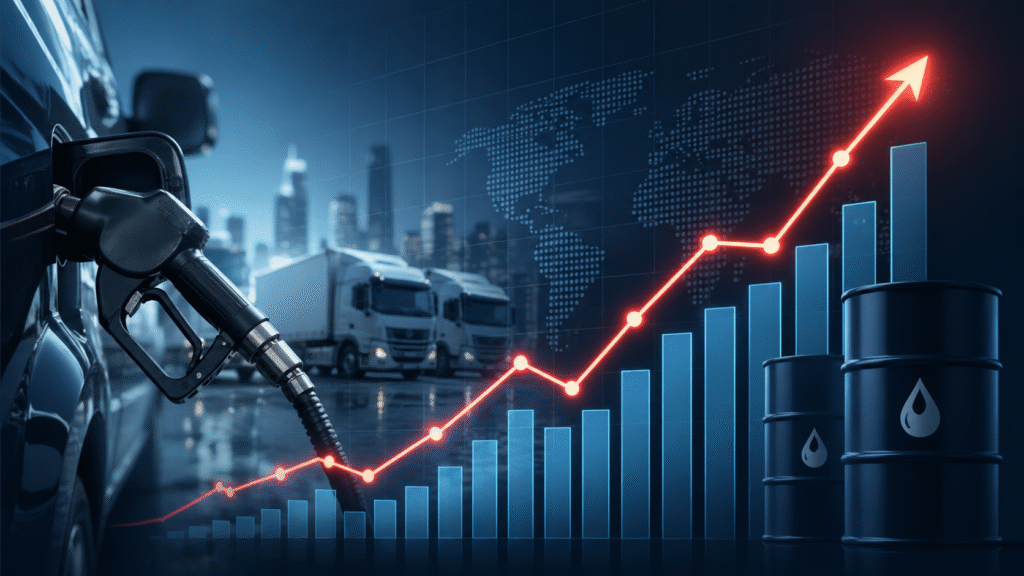
Disruptions to global oil supply routes—particularly the Strait of Hormuz—have pushed oil prices above $100 per barrel in 2026. The result is increased fuel price volatility, which directly impacts U.S. fleet operators.
For companies managing transportation, logistics, or heavy equipment, even small increases in price per gallon can significantly raise annual operating costs.
This is why more organizations are actively searching for ways to reduce fleet fuel costs and improve fuel efficiency.
The True Cost of Poor Fleet Fuel Management
Fuel is one of the largest expenses for any fleet-based operation. Without proper fleet fuel management, rising prices can quickly erode profitability.
Common challenges include:
- Lack of accurate fuel usage tracking
- Inefficient fuel consumption
- Poor fuel inventory management
- Difficulty forecasting fuel demand
- Increased risk of fuel theft or loss
These issues are amplified during periods of economic uncertainty, making it essential to adopt smarter fuel control strategies.
Why Traditional Fuel Tracking Methods No Longer Work
Many businesses still rely on manual logs or basic fuel cards. While these methods provide some oversight, they fall short in today’s fast-moving, data-driven environment.
Outdated systems often lead to:
- Inaccurate fuel records
- Limited visibility into fuel usage tracking
- Delayed reporting
- Increased administrative workload
- Reduced accountability
For companies wondering how to track fuel usage in a fleet, modern fuel tracking systems provide a far more effective solution.
What Is a Fuel Management System?
A fuel management system is a technology solution designed to monitor, control, and optimize fuel usage across a fleet or facility.
These systems combine hardware and software to deliver:
- Real-time fuel monitoring systems
- Automated fuel inventory management
- Detailed reporting and analytics
- Secure fuel dispensing systems
For businesses asking how do fuel management systems work, the answer is simple: they provide complete visibility and control over every gallon of fuel used.
Key Benefits of Fuel Management Systems for U.S. Fleets
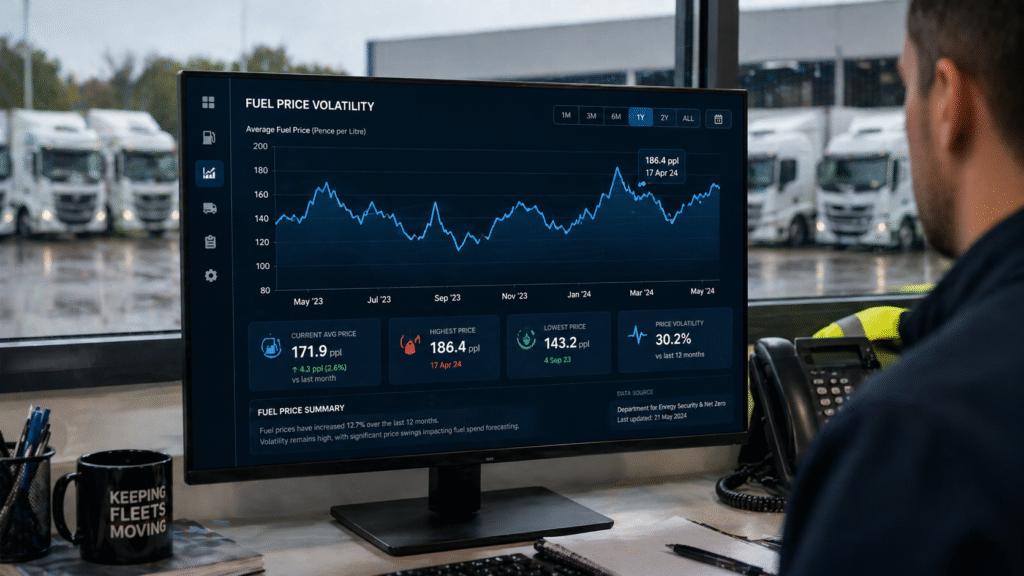
Implementing a fuel management system for fleets delivers immediate and long-term benefits.
Real-Time Fuel Tracking
Monitor fuel dispensing activity as it happens with advanced fuel tracking systems, reducing discrepancies and improving accuracy.
Fuel Inventory Management
Maintain accurate stock levels with automated fuel inventory management, ensuring you never overstock or run out unexpectedly.
Vehicle and Driver Fuel Monitoring
Track fleet fuel monitoring data by vehicle or driver to identify inefficiencies and improve performance.
Fuel Theft Prevention
One of the most important benefits is preventing losses. Businesses looking for ways to prevent fuel theft in fleets can use these systems to detect suspicious activity instantly.
Reporting and Forecasting
Use historical data to forecast demand, optimize purchasing, and improve budgeting with advanced fuel management software in the USA.
How Fuel Management Systems Reduce Fleet Operating Costs
Rising fuel prices and inflation are forcing U.S. businesses to rethink their cost structures. Implementing fleet fuel management solutions in the USA is one of the most effective ways to reduce expenses.
These systems help:
- Reduce unnecessary fuel consumption
- Improve operational efficiency
- Eliminate waste and inaccuracies
- Lower administrative overhead
- Support smarter fuel purchasing decisions
For companies searching for the best fuel management systems for fleets, the key value lies in measurable cost savings and operational control.

Why Fuel Inventory Management Is Critical for U.S. Businesses
Accurate fuel inventory management is no longer just a nice-to-have, it’s a competitive advantage.
Without proper fuel stock control, businesses risk:
- Emergency fuel purchases at higher prices
- Operational downtime
- Excess fuel storage
- Missed opportunities to buy at favorable rates
Modern fuel control systems ensure that every gallon is accounted for, helping businesses operate more efficiently and profitably.
Conclusion: Take Control of Your Fuel Costs
You can’t control global fuel prices—but you can control how your business manages fuel.
For organizations looking to reduce fleet fuel costs, improve accountability, and increase efficiency, investing in a fuel management system for fleets is one of the smartest decisions you can make.
Solutions from providers like Multiple Card Systems offer advanced fuel tracking systems, fuel inventory management, and real-time insights—giving your business the tools it needs to stay competitive in a volatile market.
Want to learn more about how we could help? Click here to read more: Cloud Based Fuel Management System – MCS Card Systems